Empieza aquí
Acerca de
Hablando
Contáctenos
Únete a la mesa
Curso para padres
Recursos
Spanish
Order my debut book! - 5 Habits of the Tech-Ready Family 📑


I was at a church conference not too long ago when a mom made her way to my booth with a look on her face I've come to recognize, that mix of concern and uncertainty that says, I know something feels off, but I don't know what to do about it. She wanted to talk about her youth pastor and the way he was using social media with students. And honestly, I wasn't surprised. It's a conversation I'm having more and more.
We've all seen the growing scrutiny placed on schools when it comes to personal electronic devices, and rightly so. But places of worship and youth ministries tend to fly under that radar, as if the rules of #DelayIsTheWay somehow don't apply once you walk through a church door. As a former youth pastor responsible for writing and implementing our church's child protection policies, I want to be direct: the same principles apply, and in some ways, the stakes are even higher.
Here are 4 questions regarding youth groups and social media:
The first two questions speak to something I call a collective action problem, when well-meaning ministries inadvertently become part of the cultural machine that pushes kids deeper into social media, even when research tells us to pull back. Youth ministries should not promote social media to their students.
The third question is a straight-up youth protection issue that should be explicitly prohibited in every church's written policy. Youth group volunteers and small group leaders should not DM students over social media.
And the fourth question matters more than people realize. If Elijah could only hear God in a still, small whisper, how in the world are phone-distracted teenagers going to hear Him? Church policies should include clear, enforceable guidelines for managing student devices during lock-ins, mission trips, and every ministry event in between. Youth ministry events and gatherings should be as phone-free as possible.
Places of worship have a real and meaningful role to play in reclaiming childhood, and that starts with asking hard questions about whether our digital habits as ministries are actually serving our kids or just keeping up with culture.
Now, let me shift to something that genuinely stopped me in my tracks. Have you heard what St. Hilda's Anglican School for Girls in Australia did? They made the courageous decision to delete all social media posts containing identifiable images of their students, and the evidence is right there in their Instagram feed, where post after post has been replaced with content that complies with their new privacy policy. No clearly identifiable student faces.
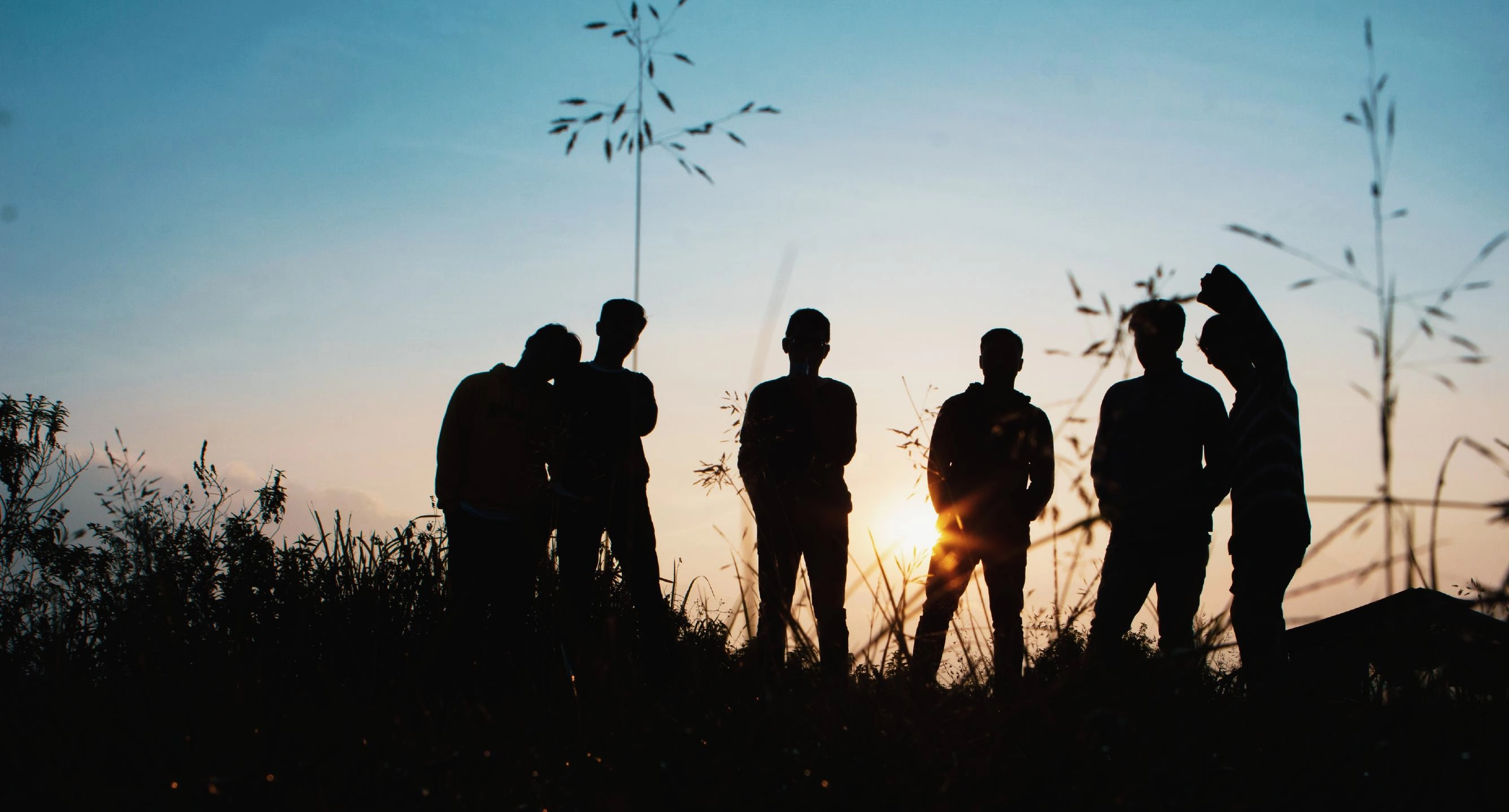
Images are limited to side profiles, silhouettes, backs of heads, distant group shots, creative filters, or approved stock photography. And on top of all that, they launched a secure, password-protected photo gallery so that parents and guardians can still access and download photos safely. Standing ovation. Truly.
The reasons behind their decision matter and deserve to be said plainly: privacy, dignity, and protection from the very real threats of deepfakes and AI-generated imagery.
This is exactly the kind of institutional leadership I now highlight in my professional development sessions with school and church leaders around the world, because it deserves to be celebrated and replicated.
Here's what I want you to take away from all of this: whether you're a school administrator, a youth pastor, a parent volunteer, or a church elder, you have both the opportunity and the responsibility to do better for the kids in your care.
Posting identifiable images of children on public social media, however well-intentioned, exposes them to risks that didn't exist a generation ago. Promoting social media platforms to kids in environments that should be a refuge from those pressures is a missed opportunity to model something different and better.
Our kids deserve spaces, physical and digital, where they are protected, present, and free to be kids simply. Your ministry, your school, your community of faith can be one of those spaces. The only question is whether you'll have the courage to lead the way.
One precious childhood. Let's protect it.

¡Dos acciones que puedes tomar!
Lea sobre el compromiso de nuestro equipo de proporcionar a todos los usuarios de nuestra plataforma global la tecnología que puede ayudarlos a avanzar.
Es un honor unirme a Bark y a otros increíbles defensores en esta película.
Se unió a una coalición de expertos mundiales para presentar sobre los daños de las redes sociales.
Compartimos nuestra investigación y experiencia con el Comité Judicial del Senado de los Estados Unidos.