Empieza aquí
Acerca de
Hablando
Contáctenos
Únete a la mesa
Curso para padres
Recursos
Spanish
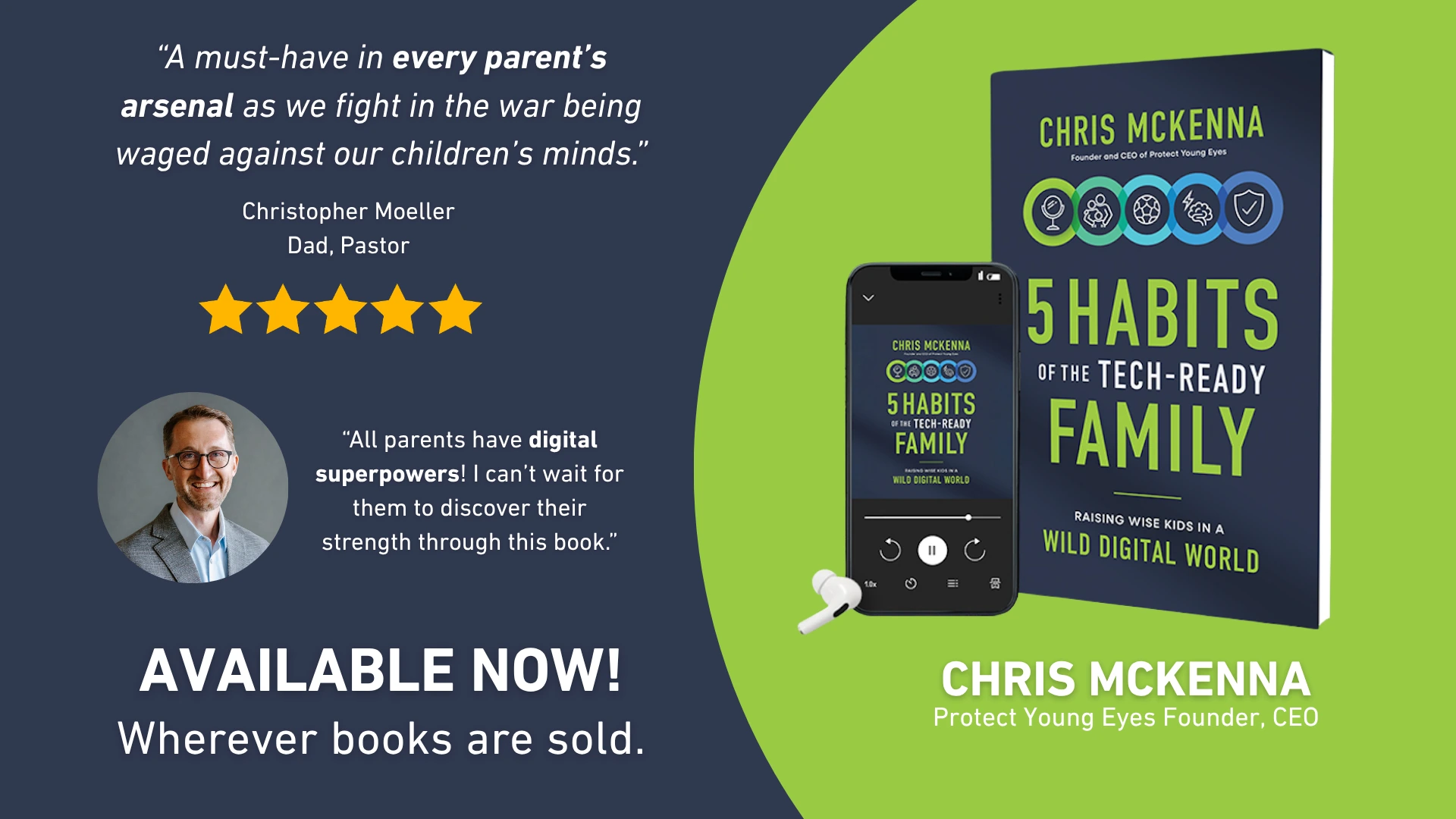
Order my debut book! - 5 Habits of the Tech-Ready Family 📑



Summer is just around the corner. Bikes are coming out of the garage, neighborhood kids are gathering at the park, and sleepovers are being planned (be careful with sleepovers). We talk a lot about “getting kids outside,” and rightfully so! Fresh air, pickup basketball games, and backyard adventures are great things for growing kids.
But here’s the part of the summer conversation that doesn’t get nearly enough attention: when you send your kids outside, many of them are carrying 100 million choices in their pockets. And not all of those choices are good ones.
Recently, I received a direct message from a mom whose daughter was deeply harmed, not by a stranger, not by a predator lurking online, but by a friend. A friend who showed her truly horrible things on a screen. That story stuck with me because it’s not an isolated incident. Friends often influence us; that’s part of growing up. But the potential impact of that influence feels categorically different today than it ever has before.
Growing up in the 1980s in my small town of Bath (yes, Bath), if I was going to do something that could seriously alter the course of my life, it took real effort. It required a location, some coordination, and probably a bad decision made in a group. There was friction. There was distance, literal, physical distance, between me and the worst choices I could have made. Today, that distance is gone. The space between our children and life-altering content is no longer measured in miles. It’s measured in taps. And too many kids are being hurt by other kids because of it.
So the question every parent needs to be asking right now, before summer fully arrives, is this: How are we preparing our children for digital risk that may come from their friends?
When we were kids, peer pressure had logistical requirements. There were natural obstacles that slowed things down and gave kids a moment to think and back out.
Today, one child with an unrestricted iPhone or Android, a TikTok account, a group chat, or a web browser can instantly expose another child to pornography, graphic violence, sexualized content, sexting requests, viral dares and dangerous challenges, hate speech, gambling apps, and explicit memes. All of it is available in seconds, and all of it can arrive before a child even has a moment to process what’s happening.
Remember this critical truth: our children are only as safe as their friends with the weakest digital rules. Therefore, we must do proactive and reactive things differently in the digital age.
Here’s the hard truth every parent needs to hear: your child can be well-prepared and still be exposed. That doesn’t mean you’ve failed. It means we have to be proactive about equipping them before the moment arrives, because the moment can arrive anywhere, at any friend’s house, on any ordinary afternoon.
Here are specific, actionable steps you can take right now to help protect your kids from peer-driven digital harm.
1. Normalize the Conversation Before There’s a Problem
Don’t wait for an incident to happen. Start the conversation now, while things are calm. Try saying something like: “If a friend ever shows you something online that makes you feel uncomfortable, I want you to come and tell me. You won’t be in trouble. I promise.” Reassure your child that curiosity isn’t wrong, that exposure isn’t their fault, and that you are a safe place, no matter what.
2. Give Them an Exit Strategy
Kids freeze in uncomfortable situations because they don’t have a script. Help them practice simple phrases they can actually use in the moment: “My parents check my phone.” “I’m not allowed to watch that.” “Let’s do something else.” “I’m going to grab a snack.” These small sentences give kids a socially acceptable way out without making things feel dramatic. Even better, create a code word or phrase they can text you if they need you to come get them immediately, no questions asked. Having a practiced plan ahead of time means their brain doesn’t have to create one in the moment, or fold under peer pressure.
3. Talk to Other Parents
Before sleepovers, long playdates, or birthday parties, get comfortable asking other parents a few key questions: Do the kids have access to devices? Are there house rules about phones? Where are devices used in your home? Yes, it might feel a little awkward at first. But here’s what most parents find when they ask: the other parents are relieved someone brought it up. You might be starting a conversation that benefits their family, too.
4. Delay Personal Devices
This is where our #DelayIsTheWay conviction really matters. The fewer personal, portable devices your child has in their pocket, the fewer private, unsupervised moments of potential exposure. Shared family devices, consistent household rules, and keeping screens in public spaces dramatically reduce the risk of peer-driven digital harm. Every year you delay handing a child their own personal device is another year of protection you’re building into their foundation.
5. Prepare Them for Accidental Exposure
Even the most prepared child can stumble into something they weren’t looking for. Say this to them clearly and more than once: “If you ever see something inappropriate, look away and come tell me. You are not in trouble.” Many kids freeze when they encounter disturbing content. Some keep looking, not because they’re bad kids, but because their brains are overwhelmed and they haven’t pre-decided what to do. Giving them a plan in advance helps their brain act faster when it matters most.
6. Teach Them to Protect Their Friends, Too
Challenge your kids with this: “If someone shows you something inappropriate, you can be the friend who says, ‘We shouldn’t be watching this.’” That’s not easy for a child to do. But when we practice it with them and affirm that kind of courage, we’re raising kids who navigate digital spaces safely and help make those spaces safer for everyone around them.
7. If Something Happens, Stay Calm
If your child comes to you and tells you they were exposed to something harmful through a friend, the most important thing you can do first is breathe. Thank them, genuinely thank them, for telling you. Avoid the immediate lecture. Reassure them that they are not in trouble. Then, when the moment is right, process what they saw together, and gently reinforce your family’s values. Your reaction in that first conversation determines whether they come back to you the next time something happens. Preserve the trust above everything else.
It’s often easier to stay calm when we know more about an issue. With pornography being such a prominent one, consider our post, Why Kids Look At Porn (it’s not their fault), so you can be better prepared and calm if your child is exposed to it.
If you’re a praying parent, here’s something simple and powerful you can do right now. Take Psalm 119:37 and make it personal: “Turn [your child’s name]’s eyes away from worthless things. Preserve [their name]’s life according to your word.” Pray it consistently. Pray it calmly. Pray it confidently. You are not alone!

¡Dos acciones que puedes tomar!
Lea sobre el compromiso de nuestro equipo de proporcionar a todos los usuarios de nuestra plataforma global la tecnología que puede ayudarlos a avanzar.
Es un honor unirme a Bark y a otros increíbles defensores en esta película.
Se unió a una coalición de expertos mundiales para presentar sobre los daños de las redes sociales.
Compartimos nuestra investigación y experiencia con el Comité Judicial del Senado de los Estados Unidos.